


CHILDHOOD Therapy
(Ages 6-12)
Young children feel things deeply, but they don't always have the words to explain what's going on inside. Big emotions often show up through behavior instead: meltdowns, clinginess, outbursts, withdrawal, or resistance to school and everyday routines. As kids move toward the older end of this range, that can look more like irritability, friendship stress, or pulling away instead of talking.
As a parent, it can be hard to know whether what you're seeing is a phase or something that needs more support. If your child seems stuck, overwhelmed, or harder to reach than usual, therapy can help.

Childhood therapy may help with:
Anxiety, worries, or fears
Emotional outbursts or meltdowns
Difficulty expressing feelings
Behavioral challenges at home or school
School stress or avoidance
Friendship difficulties or social challenges
Low confidence or self-esteem
Family transitions or changes
Grief or loss
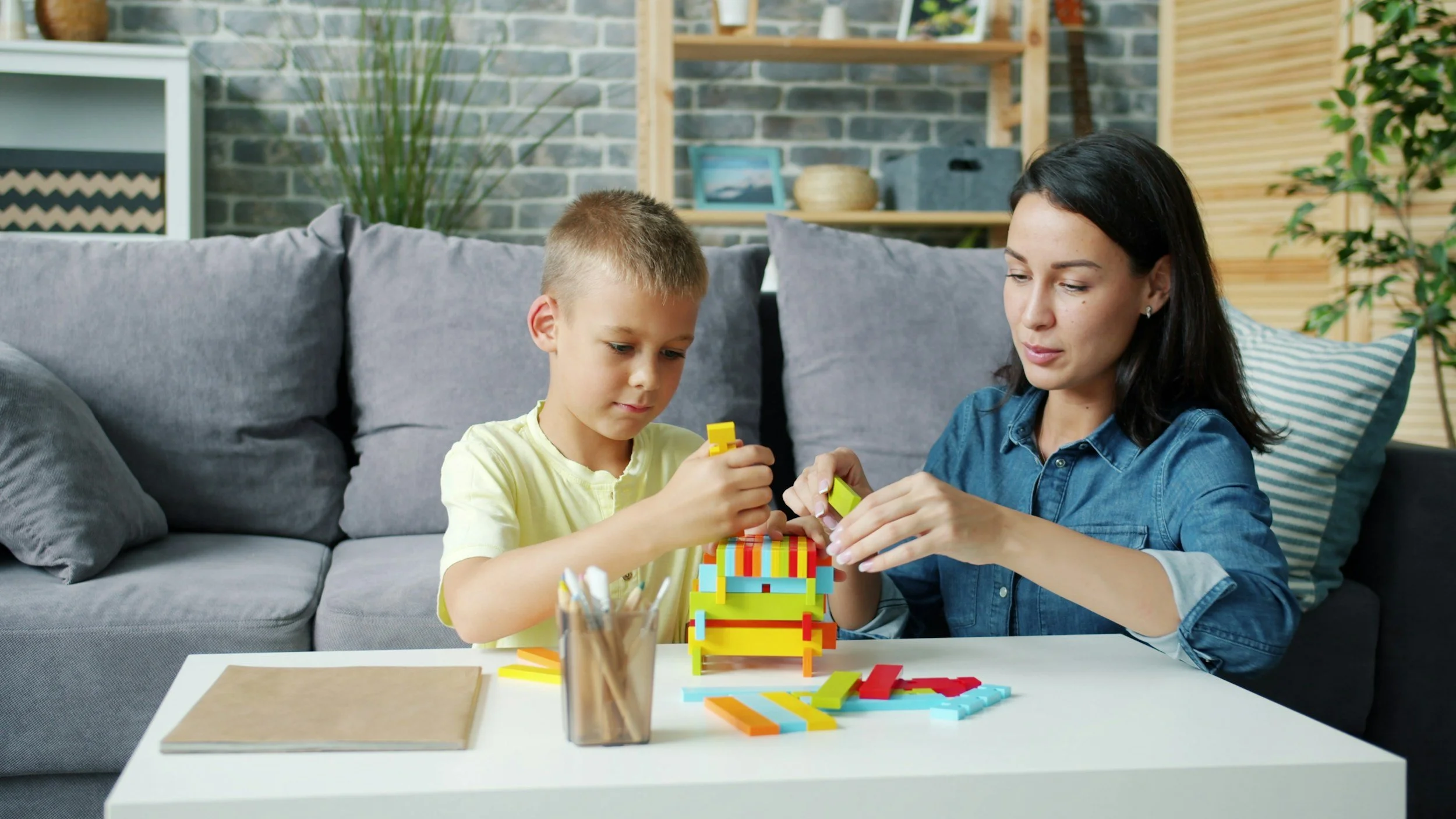
What therapy looks like at this age
Therapy at this stage is interactive and developmentally appropriate, and looks different depending on where your child is in the range. Younger kids benefit most from play, art, and storytelling to help them process and express what they're feeling. Older kids and preteens are often ready for more direct conversation alongside those creative tools. Either way, sessions are designed to meet your child where they are, using approaches that feel natural for their age.
Sessions may include:
Play-based interventions
Art and creative activities
Games and storytelling
Emotional education and feeling identification
Coping skill development
Conversation-based sessions (for older kids in this range)
Children at this age often make meaningful progress without even realizing they're "doing therapy." It just feels like a safe place where they get to be themselves.
How Therapy Can Help
BUILDING EMOTIONAL AWARENESS
Many younger children experience emotions as overwhelming physical sensations without understanding what they are. Therapy helps them begin to name feelings, understand what triggers them, and respond in healthier ways.
GROWING CONFIDENCE & RESILIENCE
As children navigate new social environments, academic expectations, and family changes, therapy provides consistent encouragement and tools to help them feel more capable and secure.
IMPROVING BEHAVIOR BY ADDRESSING THE ROOT
Behavioral challenges are often a child's way of communicating unmet emotional needs. Rather than focusing on the behavior itself, therapy helps uncover and address what's underneath, leading to more lasting change.

A note for parents
At this stage, your involvement matters. Parents are an active part of the therapeutic process - not just in providing context, but in learning how to support your child's emotional growth at home. We work collaboratively with caregivers to help you feel more confident, connected, and equipped to support your child between sessions.

Ready to Get Started?
Childhood therapy can help your child feel more understood, more confident, and better equipped to navigate the world around them. We'd love to connect and explore how we can support your family.
Therapists currently offering Childhood Therapy: